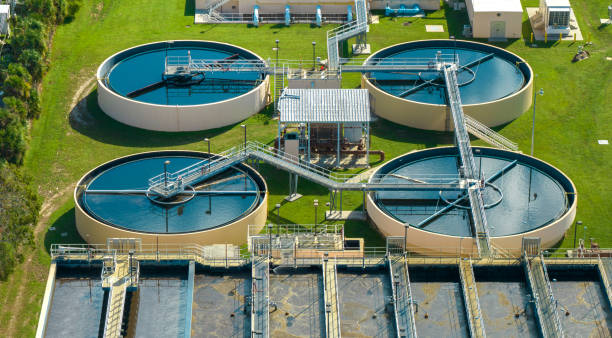
In a period where ecological manageability is basic, the job of a wastewater treatment plant (WWTP) is a higher priority than at any other time. As urbanization and industrialization keep on developing, the requirement for compelling and proficient wastewater treatment has become fundamental to keep up with clean water sources and safeguard general wellbeing. A wastewater treatment plant is intended to treat debased water from different sources, guaranteeing it is protected to deliver once more into the climate or reuse for different applications. This article will investigate the significance of wastewater treatment plants, how they work, and the advantages they give to networks and enterprises.
What is a Wastewater Treatment Plant?
A wastewater treatment plant is an office intended to eliminate pollutants from wastewater to make it ok for release or reuse. Wastewater incorporates water from homegrown, modern, and business sources, which contains destructive contaminations like solids, natural matter, synthetics, and microorganisms. The plant utilizes different physical, synthetic, and natural cycles to clean the water and diminish its ecological effect.
The Course of Wastewater Treatment
Wastewater treatment commonly happens in a few phases, each intended to target explicit impurities in the water. The following are the fundamental advances engaged with the cycle:
Primer Treatment
The main phase of treatment includes the evacuation of enormous flotsam and jetsam, like sticks, plastics, and different solids. This is normally done utilizing screens and coarseness chambers that channel out bigger particles from the water.
Essential Treatment
During essential treatment, the wastewater is permitted to get comfortable huge tanks. The heavier solids, like slop, sink to the lower part of the tank, while the lighter materials, like oils and oil, float to the top. These materials are then taken out, abandoning a to some extent treated fluid.
Auxiliary Treatment
Optional treatment is a further developed phase of treatment that utilizes natural cycles to eliminate broke down natural matter from the water. This is regularly finished through air circulation, where microorganisms separate natural contaminations within the sight of oxygen. This step is urgent in lessening the organic oxygen interest (Body) of the water.
Tertiary Treatment
Tertiary treatment is an extra step used to additionally decontaminate the water and eliminate any leftover impurities. This might incorporate filtration, sanitization (like chlorination or bright light treatment), and synthetic cycles to eliminate supplements like nitrogen and phosphorus that can inflict damage whenever delivered into normal waterways.
Ooze Treatment
After the essential and auxiliary treatment organizes, the solids gathered are dealt with and handled independently. This incorporates further dewatering and adjustment of the muck to decrease microbes and scents. The treated slop might be utilized for rural purposes or discarded in landfills, contingent upon nearby guidelines and its reasonableness.
Sorts of Wastewater Treatment Plants
There are various sorts of wastewater treatment plants relying upon the size of activity and the particular requirements of the local area or industry. These include:
Civil Wastewater Treatment Plants
These plants treat wastewater from families and business foundations in urban communities and towns. They are regularly enormous scope activities intended to treat water from numerous sources, including private, modern, and stormwater.
Modern Wastewater Treatment Plants
Enterprises like assembling, mining, and food handling produce wastewater with explicit toxins that require specific treatment. Modern wastewater treatment plants are intended to deal with these impurities, guaranteeing that the gushing satisfies administrative guidelines prior to being released or reused.
Decentralized Wastewater Treatment Frameworks
For more modest networks or individual properties, decentralized frameworks might be utilized. These frameworks treat wastewater on location, for example, septic tanks or limited scope treatment plants, which are great for far off areas or regions with restricted admittance to unified treatment offices.
Bundled Wastewater Treatment Plants
Bundled treatment plants are pre-designed frameworks intended for little to medium-sized activities, like lodgings, resorts, and schools. These smaller, measured frameworks are not difficult to introduce and can be scaled to meet the particular necessities of the office.
Advantages of Wastewater Treatment Plants
Natural Insurance
The basic role of a wastewater treatment plant is to safeguard the climate by eliminating destructive contaminations from wastewater before it is delivered into normal water bodies. By guaranteeing that wastewater is blessed to receive satisfy ecological guidelines, these plants forestall pollution of waterways, lakes, and seas, which could somehow or another damage biological systems and natural life.
General Wellbeing
Inappropriately treated wastewater can hold onto many microorganisms, including microbes, infections, and parasites. An appropriately working wastewater treatment plant wipes out these microorganisms, lessening the gamble of waterborne infections and safeguarding general wellbeing.
Water Reuse and Preservation
Treated wastewater can be reused for non-consumable purposes, like water system, modern cooling, or scene watering. This helps monitor freshwater assets and gives a reasonable option in contrast to conventional water sources, particularly in locales confronting water shortage.
Consistence with Guidelines
A wastewater treatment plant guarantees consistence with neighborhood and global ecological guidelines. By satisfying the expected guidelines for profluent quality, these plants assist enterprises and regions with keeping away from fines, lawful punishments, and ecological harm.
Monetary Advantages
Putting resources into wastewater treatment plants can yield long haul monetary advantages by lessening the expenses related with natural harm, medical care, and water shortage. Moreover, treated wastewater can be utilized for water system, modern purposes, or in any event, for recharging groundwater supplies, giving financially savvy answers for different areas.
Key Contemplations While Picking a Wastewater Treatment Plant
While choosing a wastewater treatment plant, a few variables ought to be thought of:
Limit and Adaptability
The plant should be estimated suitably to deal with the volume of wastewater produced by the local area or industry. Adaptability is vital to oblige future development and changes in wastewater volume.
Innovation and Effectiveness
High level treatment innovations, like layer filtration, invert assimilation, and bioreactors, can improve the proficiency of the treatment cycle and lessen energy utilization. Pick a framework that uses the furthest down the line innovations to further develop execution and decrease costs.
Ecological Effect
Guarantee that the plant is intended to limit ecological effect, for example, energy use, slime age, and synthetic use. Supportable practices ought to be focused on in the determination of the treatment framework.
Cost of Establishment and Activity
Consider both the underlying establishment cost and the continuous functional and support costs. Choose a framework that offers the best equilibrium between execution and cost-viability.
Administrative Consistence
The plant ought to be intended to meet all nearby and global guidelines with respect to wastewater treatment. This guarantees that the treated gushing is alright for release and limits the gamble of resistance punishments.
End
A wastewater treatment plant is a basic part of present day water the board frameworks, guaranteeing that wastewater is blessed to receive safe norms prior to being delivered or reused. Whether for metropolitan, modern, or decentralized applications, these plants add to natural maintainability, general wellbeing, and water protection. By picking the right innovation and plan, wastewater treatment plants assist with decreasing natural damage, advance asset protection, and consent to administrative prerequisites. Putting resources into compelling treatment arrangements today guarantees a cleaner, better future for networks and businesses the same.