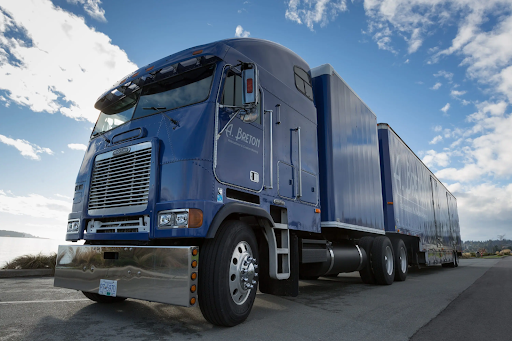
Relocating a trailer, whether for personal, commercial, or industrial purposes, can be a complex process. Successful trailer relocations require careful planning and attention to detail to ensure safety, minimize risks, and streamline the transition. This article outlines key considerations that every trailer owner or operator should know to ensure a smooth and effective relocation.
1. Proper Planning and Preparation
The first step in any successful trailer relocation is thorough planning. Whether you’re moving a small utility trailer or a large commercial one, a clear plan ensures that every aspect of the move is accounted for. Here are a few planning essentials:
- Route Assessment: Choose a route that accommodates the size and weight of the trailer. Avoid roads with narrow lanes, sharp turns, or low bridges. It’s also essential to consider traffic patterns and the presence of obstacles like overhead wires or construction zones.
- Legal and Regulatory Requirements: Check if there are specific permits or licenses required for trailer relocations in your area. Commercial trailers may require special permits due to their size or load. Be sure to comply with local, state, or national regulations to avoid fines or legal issues.
- Scheduling: Plan your relocation at a time when traffic is light. Early mornings or late evenings are often the best times to avoid congestion.
2. Choosing the Right Equipment for Trailer Relocation
The type of equipment used for relocating the trailer plays a critical role in ensuring a safe move. It’s essential to select the right vehicle and towing mechanism:
- Towing Vehicle: Ensure the vehicle towing the trailer is powerful enough to handle its size and weight. A vehicle with the proper towing capacity and an appropriately rated hitch is essential for a safe move. Consider factors like the terrain, weather conditions, and load distribution when selecting your towing vehicle.
- Safety Chains and Brakes: Always use safety chains as a backup in case the primary connection fails. Additionally, check that the trailer has functional brakes, especially if it’s a heavy-duty trailer. In some cases, electric brakes may be necessary for larger trailers.
- Trailer Condition: Ensure the trailer itself is in good working condition before moving it. Inspect tires, axles, and suspension systems for wear and tear to minimize the risk of breakdowns during the relocation.
3. Safety Measures for Trailer Relocations
Safety is paramount when relocating a trailer. Improper handling or overlooking safety protocols can lead to accidents or damage to the trailer and surrounding property. Here are key safety measures to consider:
- Load Distribution: Proper load distribution is crucial for safe towing. Ensure the weight is evenly distributed to avoid swaying or jackknifing during transit. Overloading the trailer can strain the towing vehicle and increase the risk of accidents.
- Check Tires and Lights: Inspect the tires to ensure they are properly inflated and have sufficient tread. Verify that all trailer lights, including brake lights and turn signals, are functioning correctly for better visibility.
- Speed Limits and Driving Etiquette: When towing a trailer, it’s important to maintain a lower speed than usual. This allows for better control and reduces the strain on the towing vehicle. Additionally, allow extra stopping distance to accommodate the trailer’s weight.
4. Using Professional Services for Trailer Relocations
While some individuals prefer to handle Trailer Relocations themselves, hiring professionals can be a smart choice for certain types of moves. Professional movers have the experience and equipment to handle complex or long-distance relocations safely. Key benefits of hiring professionals include:
- Expertise: Professional movers are trained to handle all aspects of trailer relocations, from route planning to securing the trailer during transport.
- Specialized Equipment: Relocation experts have access to specialized trailers, towing vehicles, and lifting equipment designed for safe and efficient relocation.
- Insurance: Hiring professionals often provides the added benefit of insurance coverage. This can protect against potential damages that may occur during the relocation process.
5. Post-Relocation Checklist
Once the trailer has been successfully relocated, it’s essential to perform a post-relocation check. This helps ensure everything is in good condition and that no damage occurred during transport.
- Inspect the Trailer: Check for any signs of wear or damage that may have occurred during the relocation. Inspect the tires, brakes, and frame to ensure everything is intact.
- Test Towing Setup: If the trailer will continue to be towed after relocation, test the hitch, brakes, and lights to confirm everything is functioning properly.
- Update Records: If the relocation is permanent, update the trailer’s registration, insurance, and other relevant records to reflect its new location.
Conclusion
A successful trailer relocation requires careful planning, the right equipment, attention to safety, and, when necessary, the expertise of professionals. By following these top considerations, individuals and businesses can ensure a smooth, efficient, and safe trailer relocation. Whether moving a small utility trailer or a large commercial unit, taking the necessary precautions will safeguard the trailer, the towing vehicle, and everyone involved in the move.